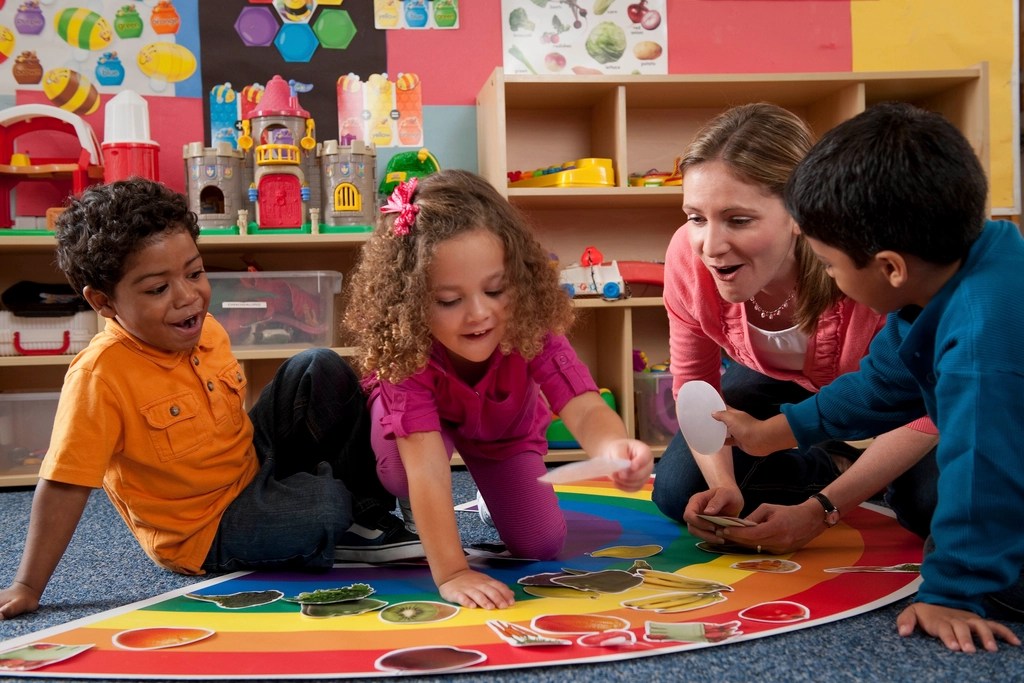
The Focus of Phase One
Here is our overview of the first phase of the Emily Co. curriculum, Independence, designed for ages 2, 3, and 4.
For more free homeschooling curriculum, subscribe to our site.
During this stage of child development we’re focused on independence, confidence, and creativity.
With the format accommodating developmental and psychological variance, the below courses for the preschool phase bring this vision into being.
Phase One Coursework
Life Design
This course will focus on caring for the mind and body. This will include routine creation, habit formation, mindfulness, and sensory-soothing emotion regulation skills to create kindness and courage in one’s life.
Required Lesson Plans
- Emotion Regulation Skills
- Grounding with The Five Senses
- Caring for your Health with Mindful Habits
- Finding Your Passion
- Routine Creation with Integrated SMART Goals
Optional Lesson Plans
- Challenging Negative Thoughts
- Healthy Forms of Rebellion
- How to Exercise Safely
- When and How to Seek Support
- Daily Gratitude Challenge
- Customizing Your Meditation Practice
- When and How to Apologize
- Building Your Self Esteem
- Channeling Intense Feelings into Creative Work
- A Multicultural Introduction to Spirituality
Aesthetic and Productive Spaces
this course is all about harmonized applications of business marketing, positive psychology, artistic design, and identifying a taste in music. The goal is to ultimately create the ideal learning space in the home classroom. They also design an immersive storefront for one of their business ideas.
Required Lesson Plans
- Fundamentals of Interior Design
- Creating a Music Playlist
- Designing the Bedroom
- Designing the Study Space
- Construction of a Sculpture
Imaginative Style
a course which teaches the components of a well-articulated sense of self and fashion. We continue with color theory and also introduce textures and structure in the visual arts. They’ll be creating an adaptive sense of style based on design principles and positive psychology.
Required Lesson Plans
- Getting to Know Yourself w/ Positive Psychology
- Managing Your Wardrobe and Constructing an Outfit
- Fashion Design Basics
Optional Lesson Plans
- Texture and Structure
- Makeup 101
- Daily Diary Challenge
- Popular Aesthetics
Creation Studio
a course which teaches mediums for the art-oriented learning journal. It includes an introduction to writing, photography, drawing, painting, sculpture, film, music, and more with the construction of creative summaries to reinforce skills and provide a record of education.
Required Lesson Plans
- Study Skills for the Art-Oriented Learning Journal
- Images, Creative Thinking, and Problem Solving
- Brainstorming for New Projects
- Creative Writing Basics
- Applied Drawing Techniques
Optional Lesson Plans
- Making Your Own Videos
- Performing a Monologue
- Improv Games
- Write Your Own Play for Theater
- Portraiture with Charcoal, Ink, and Paint
- Photography Basics
- Gargoyles and Weeping Angels
- Write Your Own Song Lyrics
- Choosing an Instrument and Starting a Band
- Understanding Light
Performance Stage
a course which teaches public speaking and social skills. It draws on theater, film, and political forums, and discusses how to apply these presentation skills to everyday life. The goal is to occupy a vivid world as an honest, impressive, and communicative person who can responsively assess social situations.
Required Lesson Plans
- Public Speech for Advocacy
- Body Language Introduction
- Etiquette and Healthy Communication
- Film and Theater Survey
- Creating a Visual Presentation
Optional Lesson Plans
- Famous Monologues
- Plan and Host Your Own Party
- The Talent Show
- Tips for Building Friendships
Neighborhood Explorations
a course which teaches navigation and geography skills. It covers skills like memorizing their current location and exploring their neighborhood safely, how to use a map and compass, how to take public transportation with your family, how to tell time, how to travel skillfully and engage with other cultures, and conversational skills in other languages.
Required Lesson Plans
- Adventures with Time
- Days of the Week
- Right and Left
- What’s My Home Address?
- Navigation Basics
- Primary and Secondary Sources
- Conversations in Spanish
Optional Lesson Plans
- Wilderness Skills
- Using Public Transportation Safely
- Accents and Dialects
Introduction to Languages
the counting numbers, the alphabet, some exposure to alphabets from alternative languages, basic vocabulary words, and conversational skills are introduced, and we read picture books together. We begin to explore what it all adds up to – communication.
Required Lesson Plans
- Introduction to English
- The Alphabet
- Reading Basics
- Creating Your Own Language
- Defining Mathematics
- The Counting Numbers
A General Suggested Daily Schedule
Here is a PDF version of the schedule we recommend.
Why do we recommend this schedule for Phase One: Independence? (Rationale)
- Start the morning with something fun and creative, especially something they can view while you drink your morning coffee!
- Fill the midmorning with creative, valuable information.
- Wrap up the day by discussing, refining, summarizing, and integrating.
Recommended Extracurricular Activities for This Phase
swim lessons, reading circle at the library, Lego sets, tumbling, mommy and me yoga, mommy and me dance classes, making nontoxic slime, mindful exploratory walks in nature, visits to the aquarium and zoo, listening to a variety of music, drawing or painting something each day, and a nightly prayer and/or meditation practice.
The Spelling List
These vocabulary words will be incorporated into their lessons. They will learn to spell some of these words and become familiar with all of them. By the end of the phase, they should know what all of these words mean and be able to define them aloud for you:
- How to Spell Their Name
- Person
- Myself
- Family
- Friend
- Stranger
- Mother
- Father
- Sister
- Brother
- Aunt
- Uncle
- Grandmother
- Grandfather
- School
- Home
- Play
- Theater
- Music
- Film
- Creation
- Art
- Learning
- Journal
- Language
- Experiment
- Critical
- Affordable
- Gentle
- School
- Education
- Class
- Topic
- Moderate
- People
- Place
- Object
- Animal
- Family
- Kindness
- Project
- Town
- City
- Partner
- Emotion
- Behavior
- Reading
- Book
- Home
- Polite
- Car
- Bus
- Train
- Tree
- Sky
- Flower
- Brain
- Thought
- Idea
- Imaginative
- Mathematical
- Problem
- Calculation
- Reckoning
- Tally
- Question
- Arithmetic
- Equal
- Addition
- Subtraction
- Dimension
- Measurement
- Unknown
- Statistic
- Conflict
- Fiction
- Nonfiction
- Poem
- Novel
- Storybook
- Vision
- Dream
- Letter
- Character
- Plot
- Subplot
- Fairytale
- Fable
- Sentence
- Action
- Audience
- Literature
- Process
- Outline
- Lyrics
- Genre
- Paragraph
- Essay
- Number
- Zero
- One
- Two
- Three
- Four
- Five
- Six
- Seven
- Eight
- Nine
- Ten
- Eleven
- Twelve
- Thirteen
- Fourteen
- Fifteen
- Sixteen
- Seventeen
- Eighteen
- Nineteen
- Twenty
- Thirty
- Forty
- Fifty
- Sixty
- Seventy
- Eighty
- Ninety
- Hundred
- Thousand
- Million
- Billion
- Rainbow
- Color
- Red
- Orange
- Yellow
- Green
- Blue
- Indigo
- Violet
The Reading List
Here are the 20 required books for this phase:
- Winnie the Pooh (Get a nice collection of illustrated Winnie the Pooh stories as a gift to them, sign the inside of the cover, and create special moments where you read them together before bed.)
- Where the Sidewalk Ends by Shel Silversteen (If you have an outgoing and brave child, have them memorize one of the shorter poems and perform it for everyone at a family party. If you have a shy child, you can skip that, but make sure to help them identify which poem in the book is their favorite.)
- The Dr. Seuss book series
- The Boy Who Cried Wolf fable
- The Mommy Book by Todd Parr (From Today’s Parent, “This sweet book for early readers (ages 2 to 3) is a favorite among parents. With vibrant illustrations and easy-to-understand words, The Mommy Book touches on all the different kinds of mommies—be it those who sing or those who teach you to be exactly who you are—which is perfect for building your toddler’s sense of empathy.”)
- My Heart is Like a Zoo by Michael Hall (teaches counting skills and the names of various animals)
- Love You Forever by Robert Munsch (this book builds empathy and trust between parent and child)
- The Very Hungry Caterpillar by Eric Carle (this book teaches children about embracing change and growth)
- Are You a Ladybug? by Judy Allen and Tudor Humphries (this book follows the life of a ladybug and teaches children about perspective)
- The Gruffalo by Julie Donaldson and Axel Scheffler (this book helps children overcome their fear of monsters)
- If You Give a Mouse a Cookie by Laura Joffe Numeroff (this book is about coping with being easily distracted)
- In My Heart: A Book of Feelings by Jo Witek (this book supports emotional development)
- Chicka Chicka Boom Boom by Bill Martin Jr. and John Archambault (this book teaches toddlers about the alphabet)
- Press Here by Herve Tullet (this book engages the reader in interactive play)
- Etta Extraordinaire by Roda Ahmed, Chloe Burgett, and Charnaie Gordon (this book about performing in a talent show deals with the character overcoming her anxiety)
- We’re Different, We’re the Same (Sesame Street) by Bobbi Jane Kates (this book teaches about diversity)
- I’m Just Like You by Williams and Crossman (teaches children that it’s okay to be different)
- Madeline by Ludwig Bemelmans (from classic childrens’ literature, set in Paris during World War 2, it introduces children to a place and time different from their own)
- The Velveteen Rabbit by Margery Williams (this is also a classic about a favorite stuffed animal who desires to become real through the love of his owner)
- What Time Is It, Mr. Crocodile? by Judy Sierra (this book teaches children how to tell time)
Click here for a list of other recommended books that your child can choose with you.
The Viewing List
Each video, TV show, and film on our required viewing list comes with a show-specific guide for facilitating a family discussion about what you’ve seen.
- Winnie the Pooh
- Sesame Street
- Cinderella (the live action Disney version is the best at communicating Cinderella’s kindness and courage as a more dynamic and fully realized character.)
Our Parenting Tips for Ages 2-4
The creators of this curriculum are parents and former teachers and nannies, so we know some tips- but ultimately you have to adapt these to meet the needs of YOUR family. We’re in full support of that!
And our other top parenting tips for this age group are below:
- Toddlers don’t tantrum, say no, and make mistakes while insisting on doing things themselves because they have an attitude problem…they are learning to be themselves and get what they want. This is the age where identity formation really begins to distinguish them in their own mind as their own person. That’s a good thing if we can facilitate teaching them how to advocate for themselves in a kind, courageous, and appropriate way.
- Emily Co. believes there’s always an appropriate way to articulate yourself and get what you want while still following the house rules, and we believe that following the below methods help develop a toddler’s self-esteem and cultivate self-regulation of thoughts and emotions as well.
- We also believe toddlers should be entertained with a preschool curriculum designed for their attention spans, social skills, and other psychological needs.
- And we’ve read the studies that indicate problems that arise in the toddler years can indicate what will cause turbulence in adolescence, as well as the studies on what motivates children this age, and what they tend to focus on.
- Build extra time into your getting ready routine to allow for them to get dressed themselves, learn to tie their own shoes, etc. so that you have plenty of time to get ready before going out to appointments and you can allow their mistakes without stress. Plan for an extra half hour of getting ready time before going anywhere.
- Do NOT use a baby voice- most kids find this condescending- instead just use a voice that’s calm and quiet.
- Allow them to participate in hiring their own nanny or babysitters by having them present at the interview while you lead (instruct them to stay quiet for the beginning of the interview, and then allow them to ask a few questions at the end). You should hire caregivers that role model excellent manners, will speak multiple languages to your child, know first aid and CPR, and intend to supervise and facilitate play with other kids rather than making themselves the focus of the event.
- When kids tantrum, teach them how to calm down and express themselves by redirecting them into a fun, soothing activity, then helping them identify what emotion that was by how they felt in their body and where their thoughts went, then identifying what it was they needed in the moment, and then explain to them what they could’ve said instead to meet their needs & goals. Walk them through this process out loud, step by step.
- If you get upset with them, that’s totally normal. You’re HUMAN. Tell them you got upset because ____ and that you actually worry about being a good parent to them but that you believe in your family and you’re here as a resource for them no matter what. You got upset in part because it’s important for you to do a good job, right? Then set a good example by doing something fun and relaxing to calm down. You guys will be OKAY. You love your children and deserve a happy life.
- For toilet training, the reward of learning to use the bathroom is actually privacy, a sense of authority for them, and independence from you. So instead of sticker charts and goofy songs and standing over them while they go, explain to them with your words that the family will respect them more and take them more seriously, and that they will be more like an adult themselves, if they learn to use the toilet. And the awkwardness of being changed by you never has to happen again! They will be able to do it on their own. And then show them how to use the bathroom toilet and flush. Tell them every time they even think they might have to go, to get up and go to the bathroom just in case. Then they should reward themselves with a favorite snack or toy if they walked all the way there, whether they ended up going or not. Going to the bathroom is cold, boring, and it interrupts their playtime- so they should reward themselves for trying to make it to the bathroom even if something goes wrong or they didn’t end up having to go. Identify a favorite snack they could treat themselves to after washing their hands, or let them play video games when they go all the way to the toilet.
- Assume your kid is smart enough to learn anything they’re interested in. All the lesson plans we design are accessible for them- believe in them! When kids are exposed to big words and ideas from a young age, they quickly pick them up. The average person is intelligent, and they are capable.
 Emily Co.
Leave a comment